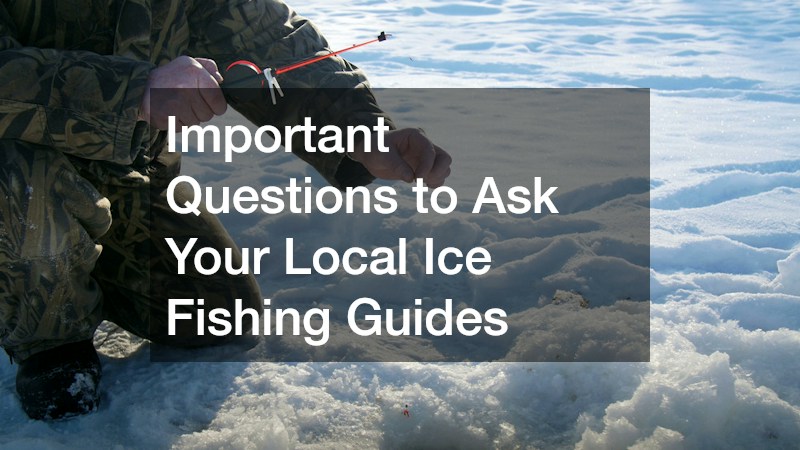
Before heading out on an ice fishing adventure, it’s important to gather some essential information from your local ice fishing guides to ensure a safe and successful experience. Ice fishing can be a thrilling activity, but it demands a specific set of skills and knowledge to be truly enjoyable. The right guide not only enhances your chances of a good catch but also ensures your safety on the ice.
Understanding what specific questions to ask can make the difference between a memorable excursion and a problematic outing. In this article, we will walk you through the critical inquiries to consider for an ideal day on the ice.
1. What Experience Do You Have in Ice Fishing?
When considering setting out onto the ice, the experience of your guide plays a crucial role in the quality of your fishing outing. Asking about the guide’s years of experience can reveal their level of expertise and comfort in various icy conditions. Seasoned local ice fishing guides are more adept at reading the waters and predicting fish behavior, thanks to extensive time spent on local lakes. Their experience can also assist in quickly adapting to changing weather conditions, which in turn, can mitigate risk. Furthermore, guides with a long track record often have valuable connections in the local community, which can be advantageous in accessing popular fishing spots.
Beyond the number of years spent guiding, it’s important to inquire about the specific ice fishing techniques your guide has mastered. Some guides might specialize in jigging while others might use tip-ups or spearfishing; knowing this can align with what type of fishing style you are interested in. These techniques can influence your fishing success greatly, and so a guide proficient in multiple methods may offer a comprehensive experience. While certain techniques may be generally effective, expertise from a guide who understands the nuances of these methods are what can really stand out. Mastery in these skills means the guide has put in the hours to learn and adapt and can teach them to you, too.
1.1. Years of Guiding Experience
Understanding how long the guides have been leading ice fishing trips can give insight into their expertise. A rich history in guiding suggests not just an accumulation of skills but resilience and dedication to the craft. It also suggests a history of satisfied customers who trust the longstanding service. Experience can be an indicator of reliability, especially in handling unexpected events or adverse weather conditions. Long-term guides likely have developed honed instincts that make all the difference in pacing and decision-making throughout the day.
1.2. Specific Ice Fishing Techniques Mastered
Different techniques may be employed; knowing which ones the guide excels at can enhance the fishing experience. For enthusiasts interested in particular methods, a guide specializing in that area may offer deeper insights and nuanced tips. If you’re new to ice fishing, a guide with a range of techniques can teach you what fits best with your interests and capabilities. It’s ideal to choose a guide who can adjust their technique based on daily conditions, as this flexibility enhances the day’s potential outcome. Seasoned guides can demonstrate methods efficiently, allowing you to learn and apply them effectively.
2. What Safety Measures Are in Place?
Safety should always be paramount when planning an ice fishing expedition. An essential component of planning an ice fishing excursion is confirming the safety procedures your guide has in place. Ice conditions are not to be taken lightly, as unsafe conditions can arise unexpectedly and with dire consequences. Local ice fishing guides who prioritize safety will have a thorough process for assessing ice thickness and conditions long before the outing, ensuring participants can fish with peace of mind. Knowledge and preparedness are key, and it all begins with inspecting the reliability of ice underfoot, considering the potential risks caused by weather anomalies, such as unseasonal warming or heavy snowfalls.
Another crucial element of safety protocol is emergency preparedness, including what equipment is readily available should a situation arise. It’s necessary to confirm that your guide is equipped with proper safety gear such as life jackets, ice picks, and perhaps even a rescue sled. Their expertise in emergency response and familiarity with local emergency services can be life-saving. Prior preparation in terms of emergency drills and equipment demonstrations can help keep everyone calm and focused. Furthermore, understanding these measures reassures clients that their safety will not be compromised.
Communication and navigation tools are another aspect of a guide’s arsenal that must not be overlooked. Advanced technology, such as GPS devices and two-way radios, are vital for maintaining connection in remote areas, aiding navigation and identifying fishing hot spots. It’s imperative that guides show they have the means to remain in contact with you and other key contacts during the trip. Technology usage facilitates not just emergency responses but also logistical details such as coordinating the best routes across potentially unstable ice. Utilizing these tools effectively reinforces the reliability and professionalism of the guide’s operation.
2.1. Ice Thickness and Conditions Assessment
Assessing ice conditions is vital; guides should explain how they determine safety. The evaluation of ice is a scientific process entailing experience and keen observation, often incorporating various factors like temperature history or visual cues. Knowledgeable guides are adept at identifying unsafe conditions that might go unnoticed by novice eyes. Detailing how these factors are analyzed provides reassurance and clarity to all participants. Such professional diligence emphasizes the importance placed on ensuring guest safety and seasonal enjoyment.
2.2. Emergency Preparedness and Equipment
Knowing the emergency plans and available safety gear is crucial for your peace of mind. A prepared guide demonstrates responsibility through readiness to deal with any mishaps. Familiarization with the location’s quickest routes for medical assistance and possessing robust first aid skills are fundamental. Practicing simulations of different emergency scenarios can also prepare guides against real-time risk. Keeping safety equipment in pristine condition exemplifies commitment to the welfare of their guests.
By asking these critical questions, you can ensure a safe, informed, and enjoyable ice fishing experience with your local guides. The questions about experience, safety, and trip details weave a comprehensive view, allowing you to choose wisely. When a guide displays deep knowledge, professionalism, and readiness, it amplifies trust and enriches the entire fishing sojourn. Ice fishing is not just about catching fish but about relishing a unique and sometimes challenging outdoor adventure. Through mindful inquiry and selecting well, your trip promises to be educational, exhilarating, and ultimately rewarding.